
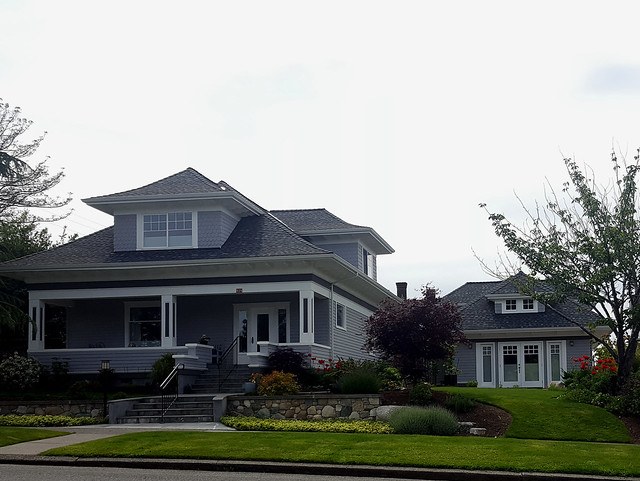
The Backyard ADU Trap
Why spending $200,000 on a 'granny pod' creates a psychological prison of infinite proximity.
Get Palmelle in your Google results.
One tap. Google shows our reporting higher when you search.
The architectural renderings always show a sunlit, Scandinavian-minimalist cottage where your 78-year-old mother happily sips tea while you garden 30 feet away. What the renderings omit is the 3:00 AM panic when you see her bathroom light flick on, or the quiet resentment of realizing your backyard—your one sanctuary—is now a fishbowl of mutual surveillance. We need to talk about the accessory dwelling unit (ADU) because it is currently being sold as a warm, fuzzy alternative to a care facility. It isn't.
The direct answer
Building a backyard Accessory Dwelling Unit (ADU) for a parent can be a smart move for aging in place, but it's often far more complex and expensive than advertised. The cost can balloon from an initial estimate of $100,000 to $200,000 or more once permits, site preparation, and necessary upgrades are factored in, and potential issues like soundproofing and zoning restrictions can create significant headaches. Thorough research into local regulations and a realistic budget that includes contingency funds are critical to avoid falling into the ADU trap.
The Sticker Shock: Beyond the Basic Build
Homeowners often underestimate the complete costs of ADU construction. [c2] What seems like a straightforward addition can quickly spiral. Beyond the core construction of perhaps 300-800 square feet, you’re looking at significant expenses for site preparation, utility hookups (water, sewer, electricity), and potentially new foundation work or grading. These can easily add tens of thousands of dollars before a single wall goes up.
Consider the permits. Local zoning and building departments have specific requirements for ADUs, including setback rules, parking mandates, and architectural review. The process of obtaining these permits can be lengthy, involve multiple revisions, and incur substantial fees. Some projects fail primarily because of planning and zoning hurdles. [c4]
Then there's the interior. While you might imagine a basic setup, consider the needs of someone aging in place. This could mean wider doorways, grab bars, a more accessible shower, and potentially a reinforced floor for future needs. These aren't usually included in standard ADU quotes and represent additional investment. The dream of a simple backyard cottage can quickly morph into a complex construction project requiring specialized knowledge and significant capital.
The Unseen Annoyances: Sound, Privacy, and Neighbors
Overlooking ADU soundproofing during the planning stages can lead to a constant feeling of disruption. [c5] If the ADU is attached to the main house or even just a few feet away, noise bleed becomes an immediate issue. Imagine your parent’s TV or conversations being heard clearly in your living room, or vice versa. Addressing this properly requires specialized insulation and construction techniques, adding considerably to the budget.
Beyond noise, there's the communal aspect. Coastal residents, for instance, have voiced concerns about too many ADUs ruining neighborhoods and leading to overcrowding. [c1] This isn't just about aesthetics; it's about the strain on local infrastructure, increased traffic, and a perceived loss of the traditional single-family home environment. While your intention is for family, the sheer density of units can raise eyebrows and create friction, even if unintended.
Furthermore, unpermitted ADUs can land you in hot water. Fines, insurance issues, and potential lawsuits from tenants are all real risks if the unit doesn't meet code. [c6] Even with permits, there can be disputes about property lines, shared utilities, or maintenance responsibilities that strain family relationships. The charming backyard retreat can quickly become a source of ongoing tension if not planned with meticulous attention to detail and community impact.
Want more of this?
Mark Palmelle a preferred source and it shows up when you search Google.
Smart Home Tech: A Different Kind of Safety Net
While the physical construction of an ADU is a major undertaking, don't forget the technological infrastructure that can enhance safety and independence. Smart home devices can provide a crucial layer of oversight and assistance without feeling intrusive. Think smart locks that allow you to grant temporary access for caregivers, motion sensors that can alert you to unusual activity (or lack thereof), and voice-activated assistants that can help with simple tasks or emergency calls.
Consider fall detection systems that can be worn or integrated into the living space. These devices are designed to automatically contact a pre-set list of emergency contacts or services if a fall is detected. Similarly, smart smoke and carbon monoxide detectors can send alerts directly to your phone, even when you're not home.
These technologies can be far less disruptive and costly than the physical modifications sometimes assumed necessary for aging in place. They offer a flexible and adaptable approach to safety, allowing your parent to maintain their autonomy while providing you with peace of mind. Integrating these systems into an existing home or a new ADU can be a more practical first step than immediate major renovations.
Common mistakes
- Underestimating the total project cost.
Many people get a quote for the basic structure and fail to account for permits, site prep, utility upgrades, landscaping, and potential soundproofing or accessibility modifications. These extras can easily double the initial estimate. Always budget at least 20-30% more than the initial construction quote for unforeseen expenses. - Ignoring local zoning and permit requirements.
Regulations vary wildly by municipality and can significantly impact what you can build, where you can build it, and how long it takes. Failure to secure proper permits can lead to costly fines, forced demolition, or an uninsurable structure. Always consult your local planning and building departments first.
Frequently asked
What are the typical costs associated with building an ADU?
While basic construction can range from $100,000 to $200,000 for a modest unit, the total cost can easily exceed $250,000 or more. This figure must include permits, site preparation, utility connections, architectural plans, potential foundation upgrades, and interior accessibility features. Unforeseen issues can push these numbers even higher.
Can I build an ADU without permits?
It is strongly advised against building an ADU without proper permits. Unpermitted structures can face significant fines, be ordered for demolition, and may cause issues with insurance coverage or future property sales. They also often fail to meet safety and building codes, posing risks to occupants.
How long does it take to build an ADU?
The timeline for building an ADU can vary significantly, but expect it to take anywhere from 6 to 18 months. This includes the time for design, obtaining permits (which can be lengthy), the construction phase itself, and final inspections. Delays are common due to contractor scheduling, material availability, or unexpected site conditions.
Sources
- Times of San Diego — Coastal residents express concerns about the impact of ADUs on neighborhoods.
- ADU Geeks — Discusses how homeowners often underestimate the complete costs associated with ADU construction.
- ADU-Hub.com — Highlights concerns about overcrowding and the potential change in neighborhood character due to ADUs.
- F9 Productions — Identifies planning and zoning regulations as primary culprits for ADU project failures.
- Soundproof San Diego — Explains how overlooking soundproofing in ADU planning leads to disruption.
- Ghassemian Law Group — Outlines risks of unpermitted ADUs, including fines, insurance problems, and lawsuits.



More from Home & Safety → · Back to Perch · Browse all stories
More of this, in your Google results.
Takes one tap, and it applies everywhere you search — not just this page.