
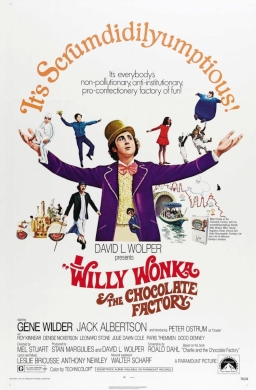
Gene Wilder's 'Wonka' Turns 55: Why Boomers, Not Gen Z, Are the Real Ticket Holders
While Netflix launches a new game show, the enduring magic of the 1971 classic speaks loudest to those who remember its original release.
Get Palmelle in your Google results.
One tap. Google shows our reporting higher when you search.
The direct answer
The 55th anniversary of "Willy Wonka & the Chocolate Factory" is being marked by a theatrical re-release
"Fathom Entertainment will re-release the following movies in theaters this year: '...Willy Wonka & the Chocolate Factory'..."
and a new Netflix competition series, "Wonka's Golden Ticket," which cheekily uses an AI-generated Gene Wilder voice
"Arbitrarily celebrating the rarely heralded 55th anniversary of Willy Wonka & The Chocolate Factory, Netflix has announced another “high-stakes social experiment” called Wonka's Golden Ticket that it hopes will be appetizing enough to get an elderly layabout on his feet again."
. While the latter might seem like a play for younger audiences, the enduring appeal of the original film, and its current resurgence, speaks most powerfully to older generations. Karen B. Wilder, Gene Wilder's wife, noted the film's ability to "bring humor, wonder and heart into people's lives, and that connection has endured for generations"
"“More than five decades after Gene brought Willy Wonka to life, people of all ages and backgrounds around the world continue to find joy, laughter and inspiration in his performance,” Karen B. Wilder, Gene Wilder's wife, said on behalf of the Gene Wilder Estate. “Gene had a remarkable ability to bring humor, wonder and heart into people's lives, and that connection has endured for generations."
. This isn't just nostalgia; it's a testament to how classic cinema, particularly films that resonate with formative childhood memories, can foster intergenerational connection, a value often overlooked by the industry's relentless focus on new content. The true "ticket holders" to this enduring joy are those who experienced the film in their youth and now share it.
The Nostalgia Economy's Sweet Spot
The 55th anniversary of "Willy Wonka & the Chocolate Factory" isn't just a date; it's a marketing opportunity that the industry is attempting to exploit. Netflix's "Wonka's Golden Ticket" show, featuring an AI-generated Gene Wilder voice
"Arbitrarily celebrating the rarely heralded 55th anniversary of Willy Wonka & The Chocolate Factory, Netflix has announced another “high-stakes social experiment” called Wonka's Golden Ticket that it hopes will be appetizing enough to get an elderly layabout on his feet again."
, is a prime example of the industry trying to reanimate a beloved property for a new audience, a move that often feels hollow. However, the film's re-release in theaters by Fathom Entertainment
"Fathom Entertainment will re-release the following movies in theaters this year: '...Willy Wonka & the Chocolate Factory'..."
taps into a different, more potent vein: genuine, intergenerational nostalgia. This isn't the fleeting engagement of a streaming game show; it's the deep-seated affection of those who saw the film decades ago. For this demographic, the theatrical experience is a pilgrimage, a chance to relive cherished memories and perhaps share them with younger family members. The economic value here lies not in attracting new viewers with AI gimmickry, but in serving the loyal, often affluent, base that remembers the original magic.
Beyond the Golden Ticket: Generational Resonance
The true power of "Willy Wonka & the Chocolate Factory" lies in its ability to transcend simple entertainment and foster genuine connection across age groups. As Gene Wilder's wife, Karen B. Wilder, stated on behalf of the Gene Wilder Estate, "Gene had a remarkable ability to bring humor, wonder and heart into people's lives, and that connection has endured for generations"
"“More than five decades after Gene brought Willy Wonka to life, people of all ages and backgrounds around the world continue to find joy, laughter and inspiration in his performance,” Karen B. Wilder, Gene Wilder's wife, said on behalf of the Gene Wilder Estate. “Gene had a remarkable ability to bring humor, wonder and heart into people's lives, and that connection has endured for generations."
. This enduring connection is precisely what the industry often struggles to replicate with its constant churn of new content. The film offers a shared cultural language for Boomers and Gen X who grew up with it, and their children or grandchildren who are now being introduced to its charm. This isn't about forcing new content down younger throats; it's about the organic transmission of beloved stories. The theatrical re-release
"Fathom Entertainment will re-release the following movies in theaters this year: '...Willy Wonka & the Chocolate Factory'..."
serves as a physical manifestation of this transmission, a communal experience for those who hold the film dear.
Want more of this?
Mark Palmelle a preferred source and it shows up when you search Google.
The Industry's Blind Spot: Who Actually Pays?
While headlines may tout new "Willy Wonka" initiatives aimed at broad appeal
"Arbitrarily celebrating the rarely heralded 55th anniversary of Willy Wonka & The Chocolate Factory, Netflix has announced another “high-stakes social experiment” called Wonka's Golden Ticket that it hopes will be appetizing enough to get an elderly layabout on his feet again."
, the real financial beneficiaries of this anniversary are likely older demographics. The industry's obsession with capturing the elusive Gen Z market often leads it to overlook the spending power and cultural loyalty of older generations. These are the individuals who remember the film's initial release, who have disposable income, and who are willing to pay for curated experiences like theatrical re-runs
"Fathom Entertainment will re-release the following movies in theaters this year: '...Willy Wonka & the Chocolate Factory'..."
. This isn't just about ticket sales; it's about the long tail of merchandise, home video, and the general cultural cachet that a beloved film maintains with its original audience. The AI-driven game show
"Arbitrarily celebrating the rarely heralded 55th anniversary of Willy Wonka & The Chocolate Factory, Netflix has announced another “high-stakes social experiment” called Wonka's Golden Ticket that it hopes will be appetizing enough to get an elderly layabout on his feet again."
might generate buzz, but the sustained economic impact comes from the generation that already has a golden ticket to the film's legacy.
Common mistakes
- Focusing solely on the new Netflix competition series.
This misses the deeper, intergenerational appeal of the original film and the economic significance of its established fanbase, which is more likely to engage with theatrical re-releases. - Treating the anniversary as a simple marketing event for a new demographic.
The true value lies in celebrating the film's established legacy and its resonance with the generation that originally embraced it, a segment often overlooked by the industry's focus on novelty. - Ignoring the financial implications of nostalgia marketing.
The article should highlight how older demographics, with their disposable income and deep emotional connection, are the primary drivers for events like theatrical re-releases, not just passive recipients of new content.
"Arbitrarily celebrating the rarely heralded 55th anniversary of Willy Wonka & The Chocolate Factory, Netflix has announced another “high-stakes social experiment” called Wonka's Golden Ticket that it hopes will be appetizing enough to get an elderly layabout on his feet again."
, the true story here is the film's lasting power with the generation that grew up with it. These are the viewers who will flock to theatrical re-releases
"Fathom Entertainment will re-release the following movies in theaters this year: '...Willy Wonka & the Chocolate Factory'..."
and whose memories imbue the film with its deepest meaning. The industry's focus on novelty, as seen with the AI-driven competition, often overlooks the profound, accumulated value of classic films for their original audiences, a generation now in their prime spending years. This isn't just about a movie; it's about how cultural touchstones create enduring emotional and economic value for specific demographics.
Frequently asked
When was 'Willy Wonka & the Chocolate Factory' originally released?
The film 'Willy Wonka & the Chocolate Factory,' starring Gene Wilder, was originally released in the United States on June 30, 1971. Its 55th anniversary would therefore be in 2026, though many celebrations are marking the '55th anniversary' of its cultural impact or its initial run in theaters.
What is the new Netflix 'Willy Wonka' competition?
Netflix has launched a competition series called 'Wonka's Golden Ticket,' which is described as a 'high-stakes social experiment.' Notably, it utilizes an AI-generated voice of Gene Wilder, a move that has drawn both attention and criticism for leveraging the actor's likeness posthumously [c1].
Who is behind the theatrical re-releases of classic films like 'Willy Wonka'?
Companies like Fathom Entertainment specialize in re-releasing classic films in theaters across the country. They partner with studios to bring beloved movies back to the big screen for limited engagements, often capitalizing on anniversaries or cultural moments [c3].
Sources


More from Culture/Film → · Back to Perch · Browse all stories
More of this, in your Google results.
Takes one tap, and it applies everywhere you search — not just this page.