
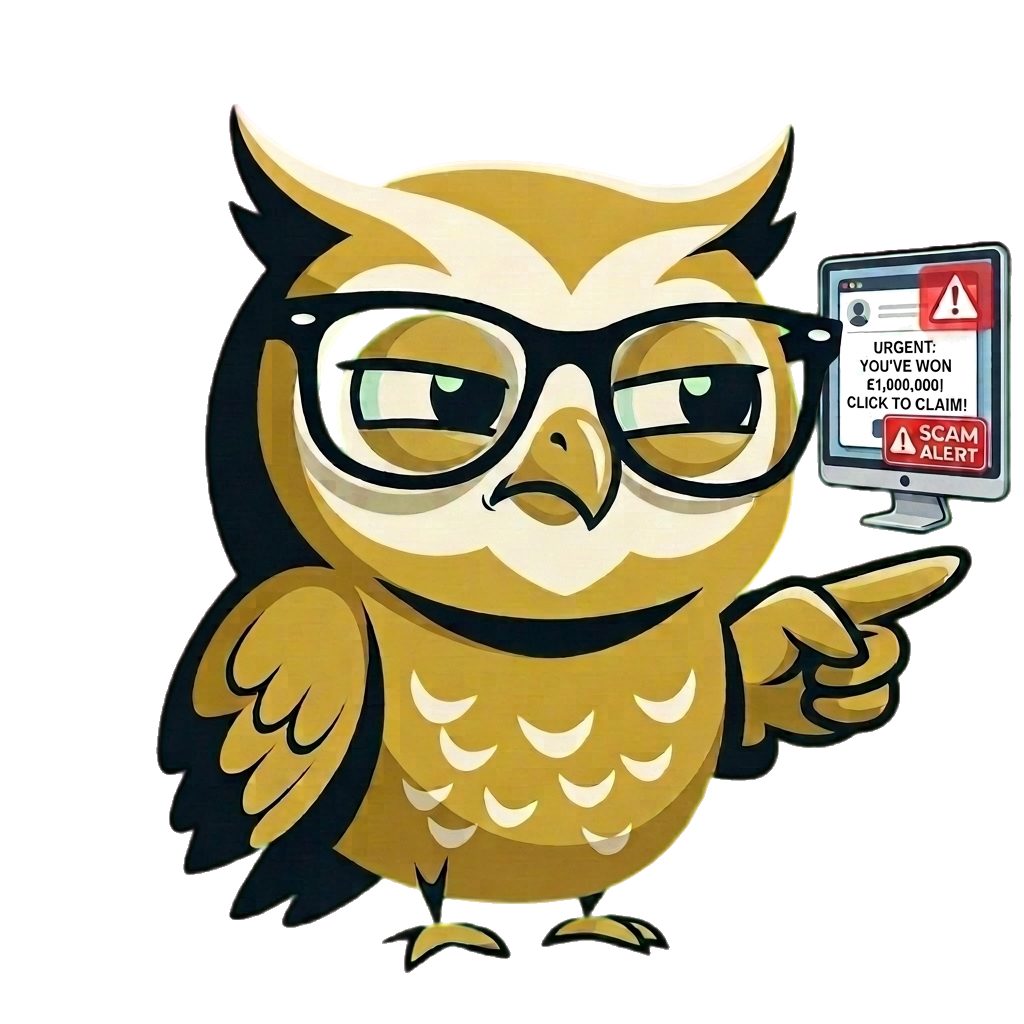
AI Scams Are Now Targeting Seniors With Fake Airline Calls and Texts
The digital age's travel nightmares are here, and they're preying on those who trust too easily.
Get Palmelle in your Google results.
One tap. Google shows our reporting higher when you search.
The direct answer
The notion that travel is a straightforward pleasure for seniors is being aggressively challenged by a new wave of technologically advanced scams. These schemes, often leveraging AI, are designed to exploit older travelers by mimicking legitimate airline and travel company communications. Scammers are employing AI to generate highly convincing phishing texts and even create fake customer service lines that sound authentic [c5, c8]. These attacks have seen a dramatic rise, with one report noting a 900% increase in travel scams since 2023
"Scammers are increasingly leveraging emerging AI technologies to target individuals planning a vacation. There has been a 900% increase in travel scams since 2023, with AI-enabled... Individuals, especially seniors, are receiving phone calls from fraudsters pretending to be a bank employee."
. The tactics include fake booking confirmations, fraudulent refund requests, and urgent check-in notifications, all aimed at tricking seniors into divulging personal information or sending money. One alarming instance involved an elderly couple losing £2,500 due to an AI-generated scam involving fake flight bookings
"Beware of AI Travel Scams! AI technology now lets scammers create incredibly realistic travel photos, fake bookings, and even full booking sites that look 100% real."
. The sophistication of these AI-driven scams means that even seasoned travelers can be caught off guard, making it crucial for seniors and their families to be aware of these evolving threats and to verify all communications directly through official channels.
The AI Arsenal: Beyond Basic Phishing
Gone are the days of obvious typos in phishing emails. AI now allows scammers to generate text messages and even voice calls that are eerily authentic. These actors can create fake booking sites that are visually indistinguishable from legitimate ones, and generate AI-powered voice impersonations to trick individuals into believing they are speaking with airline representatives or bank officials [c7, c8]. This technological leap means that a 900% increase in travel scams since 2023
"Scammers are increasingly leveraging emerging AI technologies to target individuals planning a vacation. There has been a 900% increase in travel scams since 2023, with AI-enabled... Individuals, especially seniors, are receiving phone calls from fraudsters pretending to be a bank employee."
isn't just a statistic; it's a reflection of how AI is democratizing sophisticated fraud. The goal is often to prompt immediate action, such as urgent payment for a 'rebooked' flight or providing personal data for a 'refund,' preying on the urgency and trust seniors may place in official-sounding communications.
Targeting Trust: The Senior Traveler's Vulnerability
Older adults, often more trusting of authority and less familiar with the nuances of digital security, are prime targets. Scammers exploit this by creating scenarios that play on common travel anxieties: last-minute flight changes, booking errors, or unexpected fees. A real-world example highlights the devastating impact: an elderly Indian-origin couple in the UK lost £2,500 to an AI scam involving fake flight bookings and websites
"Beware of AI Travel Scams! AI technology now lets scammers create incredibly realistic travel photos, fake bookings, and even full booking sites that look 100% real."
. The ease with which AI can generate realistic visual content and seemingly legitimate communication channels
"Beware of AI Travel Scams! AI technology now lets scammers create incredibly realistic travel photos, fake bookings, and even full booking sites that look 100% real."
makes it harder for seniors to discern truth from deception. This isn't a minor inconvenience; it's a direct assault on their financial security and peace of mind during what should be enjoyable retirement activities.
Want more of this?
Mark Palmelle a preferred source and it shows up when you search Google.
Beyond 'Be Aware': Concrete Defense Strategies
While general awareness is a start, it's insufficient against AI-driven scams. Seniors need specific, actionable steps. Firstly, scrutinize all unsolicited communications. If an airline calls about a booking issue, do not use the number provided. Instead, hang up and find the airline's official customer service number from their website or a past booking confirmation to call back
"New AI travel scams targeting seniors in 2026 — 10 fake booking, refund, and check-in tricks aimed at travelers over 60, and how to spot each one."
. Secondly, for any request involving payment or personal information via text or email, always verify independently. This might mean calling your bank directly or visiting the official website of the travel provider. Be wary of any pressure to act immediately. Remember, legitimate companies rarely demand urgent payment or sensitive data through unsolicited channels. The Treasury's recent revocation of an Iran-related waiver
*TREASURY REVOKES JUNE 21 IRAN-RELATED WAIVER https://t.co/AosWtpvlRS
— zerohedge link
might seem unrelated, but it underscores how complex global events can be used as cover for sophisticated scams.
Common mistakes
- Believing travel is inherently safe for seniors in the digital age.
This narrative ignores the reality that scammers are actively using advanced technology like AI to target vulnerable demographics with increasingly sophisticated scams, as evidenced by the rise in these incidents [c5, c6, c7]. - Relying solely on caller ID or email sender as a sign of legitimacy.
Scammers can spoof phone numbers and create fake email addresses that appear authentic. AI-generated content further enhances the illusion of legitimacy, making independent verification crucial [c8]. - Feeling pressured to act immediately on travel-related communications.
Scammers often create a sense of urgency to prevent victims from thinking critically or verifying the information. Legitimate companies typically allow for a reasonable period to respond [c5].
"Scammers are increasingly leveraging emerging AI technologies to target individuals planning a vacation. There has been a 900% increase in travel scams since 2023, with AI-enabled... Individuals, especially seniors, are receiving phone calls from fraudsters pretending to be a bank employee."
is a stark warning that the industry's current safeguards are inadequate. We must reject the simplistic idea that a few common sense tips are enough when facing AI-driven deception.
Frequently asked
How can I tell if a travel-related call or text is a scam?
Be highly skeptical of unsolicited communications. Never trust caller ID alone. If a travel company contacts you about a booking, flight change, or refund, hang up or ignore the text. Then, find the company's official contact information from their website or a previous, verified booking and call them directly to confirm the information.
What kind of information are these AI scams trying to get?
Scammers are after sensitive personal and financial data. This includes credit card numbers, bank account details, Social Security numbers, passport information, and login credentials for travel or financial accounts. They use this information for identity theft or to make fraudulent transactions.
Are there specific travel companies that are targeted more often?
Scammers often impersonate major airlines, hotel chains, and online travel agencies because they are widely recognized and their customer service numbers or websites are frequently searched. The focus is on the perceived legitimacy of the brand rather than a specific company, though popular ones are more frequently mimicked.
Sources



More from Consumer Protection → · Back to Perch · Browse all stories
More of this, in your Google results.
Takes one tap, and it applies everywhere you search — not just this page.