
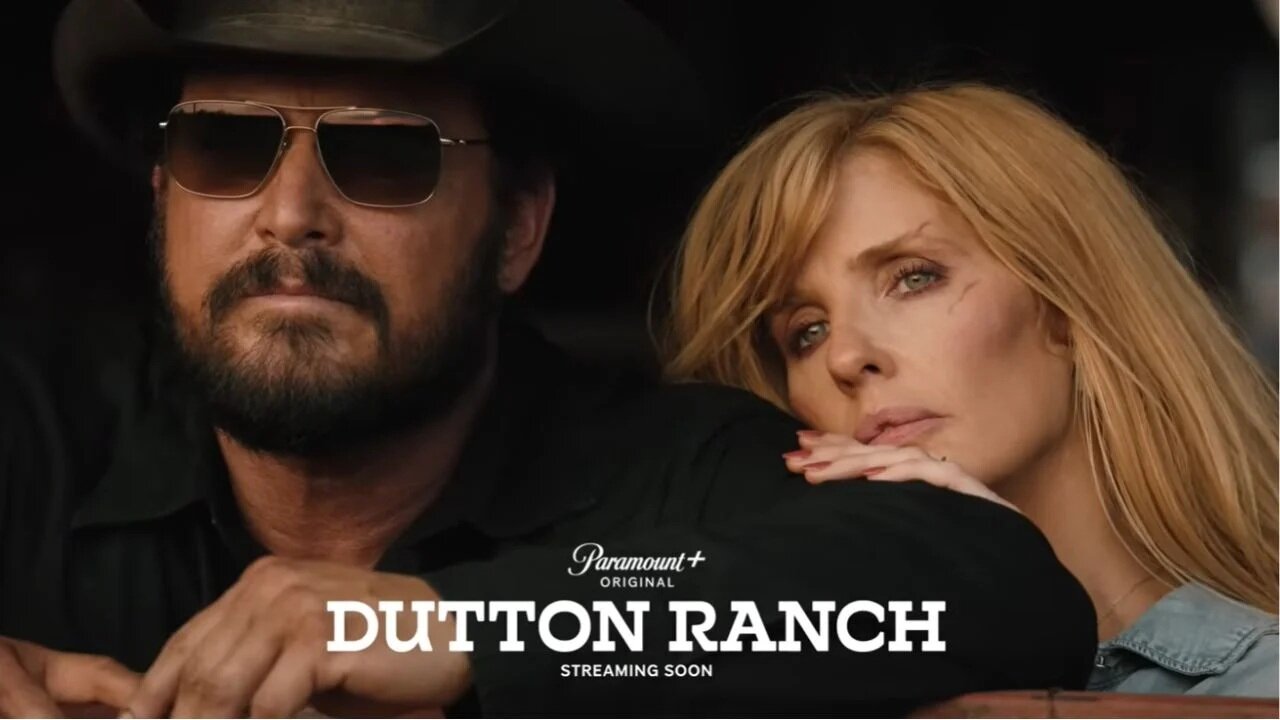
'Dutton Ranch' Offers a Clue to the Generational Wealth Transfer
Mainstream media missed the critical angle: how families over 70 navigate passing down fortunes, a story far more complex than any TV drama.
Get Palmelle in your Google results.
One tap. Google shows our reporting higher when you search.
Two weeks ago, a Forbes article dropped about the 'Dutton Ranch' spin-off, detailing how Rip Wheeler and Beth Dutton "gamble everything on a new life in South Texas, but the promise of building a future far from the ghosts of Yellowstone quickly collides with new realities and a rival ranch that will stop at nothing to protect its empire" [c1]. I read that while waiting for my mom’s pharmacy refill. It’s a TV show, I know, but the word 'gamble' stuck with me. My complaint about how these stories get reported is that they focus on the spectacle, the drama, the 'who shot JR' of it all, and miss the actual, everyday struggle. It’s not about a rival ranch; it’s about the rival forces of time and capacity that make passing down anything, let alone a ranch worth potentially billions, an impossible tightrope walk for older adults. The industry response, often echoed in the show’s narrative, is that succession is a major issue, and characters like Beulah Jackson face tough choices John Dutton avoided [c2]. But that’s the show’s plot. The real-world response from financial advisors or estate planners is usually a complex flowchart of trusts and tax implications. That’s the industry answer, and it’s designed to be overwhelming. Here's the kill shot: The real issue isn't the legal structure; it's the human element. The Forbes piece mentions Beth and Rip trying to 'make a name for themselves in Texas' [c3]. That’s the goal for many older adults: to see their legacy continue, not just their assets transferred. The underreported move? It’s not about picking a successor. It’s about initiating the conversation early, and not just about money, but about values. Ask your parent: 'What do you want your legacy to be, beyond the dollars?' Then, look into setting up a family meeting with a neutral facilitator, someone who can work through the emotional minefield before it blows up. Do that this week.
The direct answer
While 'Dutton Ranch' depicts the high-stakes drama of the Dutton family's legacy, mainstream coverage overlooks the critical issue of generational wealth transfer for older adults, a process fraught with emotional and practical complexities far beyond fictional rivalries. The show hints at succession struggles, mirroring real-world challenges where families over 70 grapple with passing down assets, a process often complicated by cognitive decline or family dynamics. Unlike the on-screen battles, the real challenge lies in initiating difficult conversations and establishing clear plans that honor the older adult's wishes and values, not just their financial holdings [c2, c1]. The true success of legacy transfer isn't in a dramatic showdown, but in proactive, empathetic planning that ensures peace and continuity for all involved.
The Real Stakes: Beyond the Screen's Empire
The media's focus on 'Dutton Ranch' and the continuation of the 'Yellowstone' saga often centers on the dramatic stakes of maintaining a sprawling empire [c1, c3]. However, this narrative overshadows the profound financial and emotional implications of generational wealth transfer for families over 70. Unlike the fictional Duttons, real families face the challenge of passing down assets that may represent a lifetime of work, often while confronting issues of declining health or evolving family dynamics. The challenge isn't just about protecting an 'empire,' but about ensuring a legacy that reflects the older adult's values and wishes, a process that requires careful planning and open communication, as highlighted by the succession issues in the show's universe
"Like Yellowstone, succession is a major issue in Dutton Ranch. Beulah Jackson made a decision that John Dutton avoided, but at great cost."
.
Succession: A Real-World Tightrope Walk
The narrative of succession is a central theme in 'Yellowstone' and its spin-offs, with characters like John Dutton famously avoiding difficult decisions that Beulah Jackson now faces, albeit at a great cost
"Like Yellowstone, succession is a major issue in Dutton Ranch. Beulah Jackson made a decision that John Dutton avoided, but at great cost."
. This fictional portrayal mirrors the real-world tightrope walk many families over 70 perform. Mainstream coverage often frames these situations as simple inheritance issues, missing the intricate web of emotional, legal, and financial considerations. The goal for many older adults isn't just to transfer wealth, but to ensure their life's work and values continue, a sentiment echoed by Kayce Dutton's secret plan for the ranch's survival
"The latest episode of Yellowstone has given us the most obvious hint at how the neo-Western saga is going to end yet. In "Give the World Away," Kayce (Luke Grimes) teases his secret plan for ensuring the ranch's survival, and that the Dutton family legacy remains intact."
. The complexity lies not in the act of transferring, but in the preparation and communication required to make it a seamless, value-aligned process.
Want more of this?
Mark Palmelle a preferred source and it shows up when you search Google.
Reframing Generational Wealth: From Spectacle to Substance
The media's appetite for the dramatic narratives of shows like 'Dutton Ranch' often leads to a superficial understanding of generational wealth transfer. While the show focuses on Beth and Rip's ambition in Texas
"Dutton Ranch follows Beth and Rip as they try and make a name for themselves in Texas."
, it glosses over the practicalities that families over 70 encounter daily. The real 'rival ranch' is often the inertia of inaction or the fear of difficult conversations. The critical issue for older adults is not about protecting an 'empire' from external threats, but about proactively structuring their legacy in a way that aligns with their deeply held values and ensures peace of mind for their heirs. This requires a shift from viewing wealth transfer as a dramatic plot point to recognizing it as a vital, ongoing conversation about family and future.
Common mistakes
- Focusing on the fictional drama of ranch succession.
Mainstream media often highlights the entertainment value of shows like 'Dutton Ranch,' missing the opportunity to discuss the critical, real-world issues of generational wealth transfer and legacy planning for older adults. - Framing wealth transfer as solely a financial or legal transaction.
The process is deeply emotional and personal for older adults. Coverage often fails to address the importance of values, family dynamics, and the psychological aspects of letting go of assets. - Ignoring the practical challenges faced by families over 70.
Beyond fictional rivalries, real families grapple with cognitive changes, differing opinions among heirs, and the sheer complexity of estate planning, which requires proactive and empathetic guidance.
"Rip Wheeler and Beth Dutton gamble everything on a new life in South Texas, but the promise of building a future far from the ghosts of Yellowstone quickly collides with new realities and a rival ranch that will stop at nothing to protect its empire."
, obscures the quiet, often difficult, conversations necessary for a smooth transition. Taylor Sheridan’s work, while entertaining, offers a superficial look at the profound implications of legacy for families grappling with real-world succession, a topic deserving of more substantive analysis than a fictional empire's fate
"The latest episode of Yellowstone has given us the most obvious hint at how the neo-Western saga is going to end yet. In "Give the World Away," Kayce (Luke Grimes) teases his secret plan for ensuring the ranch's survival, and that the Dutton family legacy remains intact."
.
Frequently asked
What is the main takeaway from 'Dutton Ranch' regarding wealth transfer?
While fictional, 'Dutton Ranch' highlights the complexities of succession, urging a real-world focus on proactive, value-driven legacy planning for older adults, beyond mere asset distribution.
How does the show's succession theme differ from reality?
The show dramatizes conflicts; real-life succession involves nuanced conversations about values, family harmony, and practical planning, especially for families over 70.
What is the most important step for families navigating wealth transfer?
Initiate open, value-based conversations early and consider a family meeting with a neutral facilitator to address emotional and practical aspects of legacy planning.
Sources



More from Money → · Back to Perch · Browse all stories
More of this, in your Google results.
Takes one tap, and it applies everywhere you search — not just this page.